Zuckerberg Opposes US Ban on Chinese AI Models and Warns of Regulatory Capture
The Meta chief says American competitiveness should be strengthened through open innovation and targeted safeguards rather than blanket restrictions on Chinese systems.
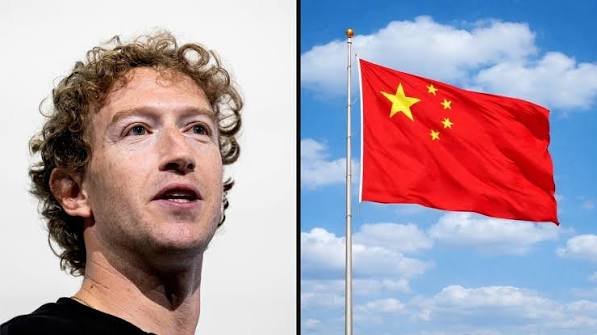
Mark Zuckerberg has argued that the United States should not ban advanced Chinese artificial-intelligence models, warning that restrictions could weaken American competitiveness while allowing a small group of domestic technology companies to shape the rules governing their rivals.
The Meta chief executive’s intervention comes as the Trump administration considers tighter measures against Chinese artificial-intelligence developers, including possible action against companies accused of using distillation to reproduce the capabilities of leading US models.
The allegation that particular Chinese systems were trained improperly has not been proven publicly, but it has become central to a wider debate over intellectual property, national security and technological competition.
Zuckerberg’s argument is not that every foreign model should receive unrestricted access to American users, data or critical infrastructure.
His position is that a blanket prohibition on Chinese artificial intelligence would be an ineffective answer to the challenge.
He says the United States should instead remove bottlenecks that limit domestic innovation, expand computing capacity, support open development and ensure that American companies can compete on the quality, availability and affordability of their systems.
That view reflects Meta’s commercial strategy.
The company has made its Llama models available under an open-weight approach, allowing developers to inspect, adapt and run them on their own infrastructure under specified conditions.
Zuckerberg has long argued that broad access to powerful models will create a larger ecosystem of businesses, researchers and developers, rather than concentrating artificial intelligence in a few cloud platforms.
The open-model debate has become more politically charged as Chinese developers release increasingly capable systems at lower cost.
Supporters of restrictions argue that Chinese models may carry security risks, embody state influence, benefit from stolen intellectual property or give foreign companies access to strategically sensitive user data.
They also argue that the rapid diffusion of powerful open models can make cyber abuse, surveillance and other harmful applications easier.
Zuckerberg accepts the need for security protections but disputes the idea that exclusion is the primary solution.
Advanced artificial intelligence can be used to discover software vulnerabilities, analyse threats and strengthen defensive systems, he argues.
From that perspective, restricting access to capable tools could leave American researchers, small companies and security teams at a disadvantage while competitors continue to develop their own systems elsewhere.
The key issue is whether the United States can separate legitimate security controls from protectionism or corporate self-interest.
There is a clear case for restrictions on access to sensitive government systems, critical infrastructure, military applications, personal data and advanced chips.
There is a more difficult case for preventing Americans from using a model merely because it was developed in China, particularly if the system can be run locally without transmitting data abroad.
Zuckerberg also warned against regulatory capture, the process by which companies that are meant to be regulated gain excessive influence over the rules.
In artificial intelligence, the danger is unusually acute because the best-known laboratories possess the technical expertise, computing resources and political access that governments may rely on when designing safety standards.
He said peer review and pre-release safety testing can be valuable, but questioned whether the largest artificial-intelligence companies should effectively supervise one another.
If the firms with the strongest commercial interest in closed, centrally hosted models help set the standards, smaller developers and open-model projects could face rules that they cannot realistically satisfy.
That would not necessarily make the public safer; it could entrench the market power of the incumbents.
Other leading figures in artificial intelligence have taken a more qualified position.
Some have said they do not support banning open-weight models as a category, but favour controls on the most dangerous capabilities, particularly advanced cyber operations, biological design and autonomous systems that could cause serious harm.
Their preferred approach is to regulate chokepoints such as high-end chips, model training, evaluation standards and the release of systems that cross specific risk thresholds.
The policy dispute is unfolding alongside a broader US effort to protect technology supply chains.
The government has imposed export controls on advanced chips, scrutinised Chinese-connected applications and communications equipment, and restricted imports of some foreign-made robots and connected energy devices.
Those measures rest on a different rationale from an artificial-intelligence model ban: they concern physical products, network access and the possibility of remote control or espionage.
A ban on Chinese models would be harder to enforce cleanly.
Models can be downloaded, copied, modified, hosted in third countries or run locally on private hardware.
Broad restrictions could therefore prove porous while encouraging developers to conceal provenance, fragmenting the global research ecosystem and making independent evaluation more difficult.
Meta’s stance also serves its own interests.
The company is investing heavily in artificial intelligence while promoting a more open alternative to the closed systems offered by several competitors.
Zuckerberg’s warning about concentrated power is therefore both a policy argument and a defence of a business model that depends on developers having meaningful choices beyond a handful of proprietary platforms.
The United States now faces a choice between broad exclusion and targeted safeguards.
The next decisions on Chinese artificial-intelligence models will show whether Washington seeks to contain foreign technology through bans or compete by making American innovation more open, capable and secure.
The Meta chief executive’s intervention comes as the Trump administration considers tighter measures against Chinese artificial-intelligence developers, including possible action against companies accused of using distillation to reproduce the capabilities of leading US models.
The allegation that particular Chinese systems were trained improperly has not been proven publicly, but it has become central to a wider debate over intellectual property, national security and technological competition.
Zuckerberg’s argument is not that every foreign model should receive unrestricted access to American users, data or critical infrastructure.
His position is that a blanket prohibition on Chinese artificial intelligence would be an ineffective answer to the challenge.
He says the United States should instead remove bottlenecks that limit domestic innovation, expand computing capacity, support open development and ensure that American companies can compete on the quality, availability and affordability of their systems.
That view reflects Meta’s commercial strategy.
The company has made its Llama models available under an open-weight approach, allowing developers to inspect, adapt and run them on their own infrastructure under specified conditions.
Zuckerberg has long argued that broad access to powerful models will create a larger ecosystem of businesses, researchers and developers, rather than concentrating artificial intelligence in a few cloud platforms.
The open-model debate has become more politically charged as Chinese developers release increasingly capable systems at lower cost.
Supporters of restrictions argue that Chinese models may carry security risks, embody state influence, benefit from stolen intellectual property or give foreign companies access to strategically sensitive user data.
They also argue that the rapid diffusion of powerful open models can make cyber abuse, surveillance and other harmful applications easier.
Zuckerberg accepts the need for security protections but disputes the idea that exclusion is the primary solution.
Advanced artificial intelligence can be used to discover software vulnerabilities, analyse threats and strengthen defensive systems, he argues.
From that perspective, restricting access to capable tools could leave American researchers, small companies and security teams at a disadvantage while competitors continue to develop their own systems elsewhere.
The key issue is whether the United States can separate legitimate security controls from protectionism or corporate self-interest.
There is a clear case for restrictions on access to sensitive government systems, critical infrastructure, military applications, personal data and advanced chips.
There is a more difficult case for preventing Americans from using a model merely because it was developed in China, particularly if the system can be run locally without transmitting data abroad.
Zuckerberg also warned against regulatory capture, the process by which companies that are meant to be regulated gain excessive influence over the rules.
In artificial intelligence, the danger is unusually acute because the best-known laboratories possess the technical expertise, computing resources and political access that governments may rely on when designing safety standards.
He said peer review and pre-release safety testing can be valuable, but questioned whether the largest artificial-intelligence companies should effectively supervise one another.
If the firms with the strongest commercial interest in closed, centrally hosted models help set the standards, smaller developers and open-model projects could face rules that they cannot realistically satisfy.
That would not necessarily make the public safer; it could entrench the market power of the incumbents.
Other leading figures in artificial intelligence have taken a more qualified position.
Some have said they do not support banning open-weight models as a category, but favour controls on the most dangerous capabilities, particularly advanced cyber operations, biological design and autonomous systems that could cause serious harm.
Their preferred approach is to regulate chokepoints such as high-end chips, model training, evaluation standards and the release of systems that cross specific risk thresholds.
The policy dispute is unfolding alongside a broader US effort to protect technology supply chains.
The government has imposed export controls on advanced chips, scrutinised Chinese-connected applications and communications equipment, and restricted imports of some foreign-made robots and connected energy devices.
Those measures rest on a different rationale from an artificial-intelligence model ban: they concern physical products, network access and the possibility of remote control or espionage.
A ban on Chinese models would be harder to enforce cleanly.
Models can be downloaded, copied, modified, hosted in third countries or run locally on private hardware.
Broad restrictions could therefore prove porous while encouraging developers to conceal provenance, fragmenting the global research ecosystem and making independent evaluation more difficult.
Meta’s stance also serves its own interests.
The company is investing heavily in artificial intelligence while promoting a more open alternative to the closed systems offered by several competitors.
Zuckerberg’s warning about concentrated power is therefore both a policy argument and a defence of a business model that depends on developers having meaningful choices beyond a handful of proprietary platforms.
The United States now faces a choice between broad exclusion and targeted safeguards.
The next decisions on Chinese artificial-intelligence models will show whether Washington seeks to contain foreign technology through bans or compete by making American innovation more open, capable and secure.
AI Disclaimer: An advanced artificial intelligence (AI) system generated the content of this page on its own. This innovative technology conducts extensive research from a variety of reliable sources, performs rigorous fact-checking and verification, cleans up and balances biased or manipulated content, and presents a minimal factual summary that is just enough yet essential for you to function as an informed and educated citizen. Please keep in mind, however, that this system is an evolving technology, and as a result, the article may contain accidental inaccuracies or errors. We urge you to help us improve our site by reporting any inaccuracies you find using the "Contact Us" link at the bottom of this page. Your helpful feedback helps us improve our system and deliver more precise content. When you find an article of interest here, please look for the full and extensive coverage of this topic in traditional news sources, as they are written by professional journalists that we try to support, not replace. We appreciate your understanding and assistance.